


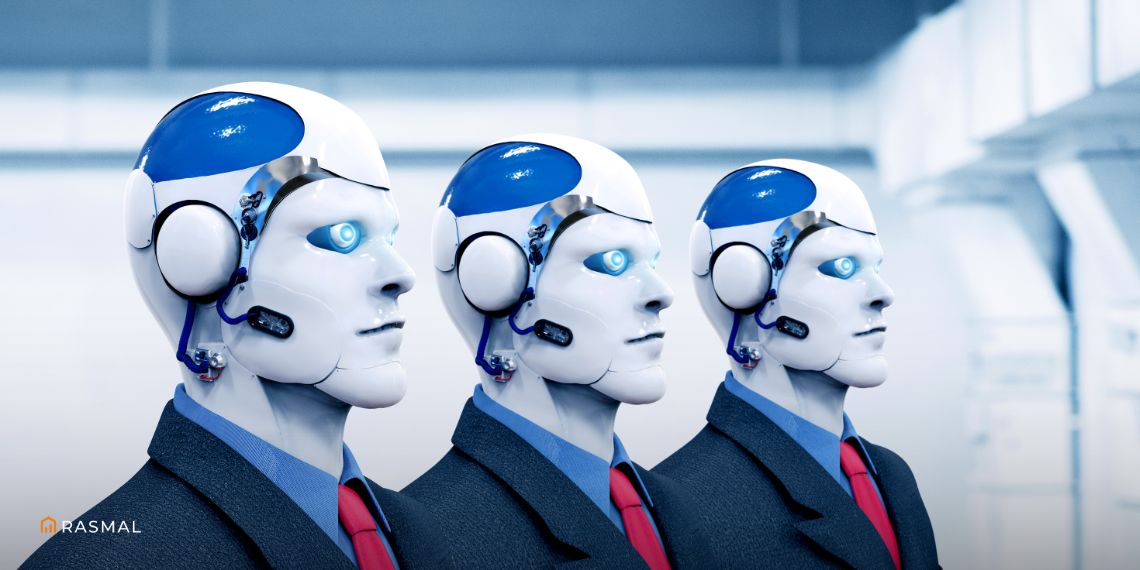
The global job market is undergoing a transformation driven by rapid technological advancements, shifting economic conditions, demographic changes, and the green transition. As we move towards 2030, businesses and workers must adapt to these changes to remain competitive and relevant. The Future of Jobs Report 2025 by the World Economic Forum (WEF) provides insights into how industries, skills, and employment opportunities are evolving in response to these trends.
The Key Drivers of Job Market Transformation
Technological Advancements
Technology is both a disruptor and a creator of jobs. The rise of Artificial Intelligence (AI), automation, and digital transformation is leading to the decline of traditional roles while creating new opportunities in tech-related fields. Some of the fastest-growing job categories include:


- AI and Machine Learning Specialists
- Big Data Analysts
- Cybersecurity Professionals
- Software and Applications Developers
At the same time, clerical and administrative roles such as data entry clerks, bank tellers, and administrative assistants are expected to see a decline due to automation.

Economic and Geopolitical Shifts
The rising cost of living, inflation, and geopolitical conflicts are shaping the job market. Economic uncertainty is influencing hiring patterns, and many businesses are focusing on cost-cutting strategies. Meanwhile, protectionist trade policies and global supply chain disruptions are driving businesses to restructure their operations.
The Green Transition
Sustainability and climate-conscious policies are reshaping industries. Companies are investing in clean energy, circular economies, and carbon reduction strategies. This is creating new job opportunities in fields such as:
- Renewable Energy Engineering
- Sustainability Specialists
- Environmental Engineering
- Electric and Autonomous Vehicle Development
Demographic Changes
An aging workforce in developed countries and a growing working-age population in developing nations are shifting labor market demands. This creates a need for more healthcare professionals, elderly care providers, and educators.
The Future of Work: Key Employment Trends
Job Creation vs. Job Loss
The WEF report estimates that by 2030, around 170 million new jobs will be created globally, but 92 million jobs will be displaced due to automation and changing business models. This results in a net job growth of 78 million.
Shift Towards Digital and Remote Work
The COVID-19 pandemic accelerated the adoption of remote work and hybrid models. Many industries continue to embrace flexible work arrangements, leading to increased demand for professionals in digital communication, online collaboration, and remote IT support.
Importance of Reskilling and Upskilling
With 39% of core skills expected to change by 2030, businesses are prioritizing reskilling initiatives. The most in-demand skills include:
- Analytical thinking
- Creativity and innovation
- Resilience and adaptability
- Technological literacy
Industry-Specific Changes
Certain industries are seeing rapid transformation:
- Healthcare: Increased demand for medical professionals due to aging populations.
- Manufacturing: Shift towards automation, leading to job losses in manual labor but growth in robotics and AI-driven roles.
- Retail: E-commerce expansion reducing traditional sales roles but boosting jobs in logistics and digital marketing.
Preparing for the Future of Jobs
For Businesses
- Invest in AI and automation technologies while creating opportunities for human-machine collaboration.
- Implement workforce reskilling programs to bridge skill gaps.
- Develop policies to support diversity, equity, and inclusion (DEI).
For Workers
- Embrace lifelong learning by acquiring new digital skills.
- Stay adaptable and develop problem-solving abilities.
- Explore emerging job markets in technology, sustainability, and healthcare.
For Governments
- Support businesses with training and upskilling programs.
- Implement policies that promote job creation in emerging industries.
- Encourage investment in green technologies to create sustainable employment opportunities.
Conclusion
The future of jobs is dynamic, with both opportunities and challenges. While some traditional roles may disappear, new careers will emerge, requiring workers to continuously adapt and learn. Businesses, workers, and governments must collaborate to ensure a smooth transition into this new era of work.
Last Updated on March 1, 2025 by Safiya K


